
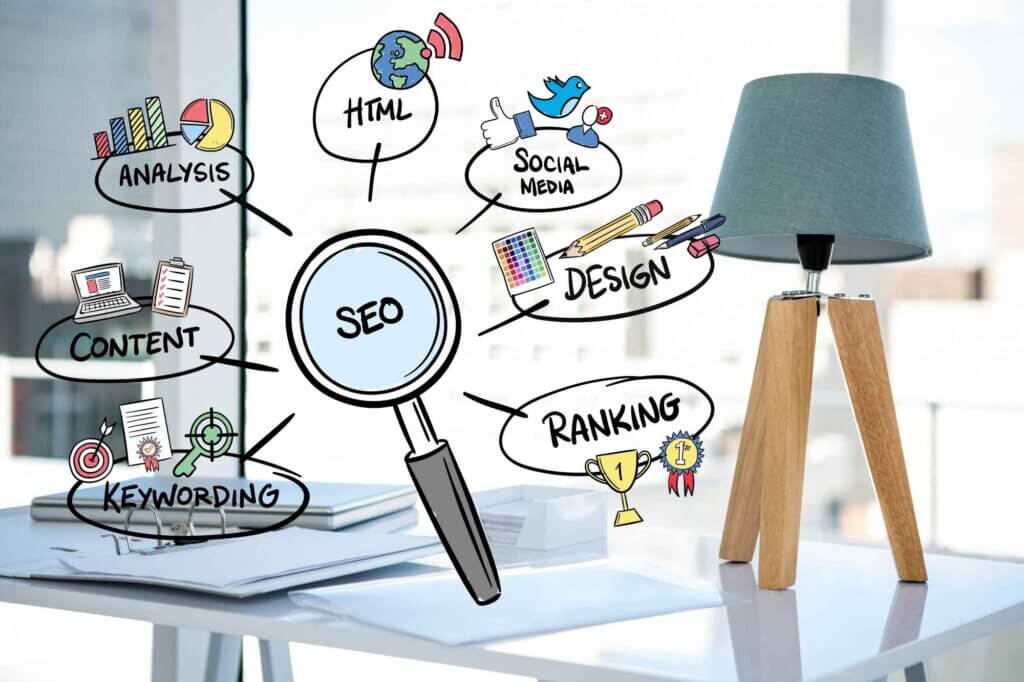
Introduction: The Power of Backlinks in SEO
Businesses use SEO to reach more people through search. SEO backlink services can support that work. For example, a relevant link introduces your content to another site’s readers. It can also help search engines assess your pages.
Understanding SEO Backlinks
What Are Backlinks?
A backlink is a link from another website to yours. People also call it an inbound link. A relevant link from a trusted source may support your search visibility.
Why Are Backlinks Important?
Google uses links as one of many search signals. However, link counts alone do not show quality. The source, topic and context also matter.
Real-World Case Studies Illustrating How Backlinks Influence Things
1. The HOTH: 19,233% Boost in Web Traffic
A variety of clients in the water sanitation business engaged The HOTH to increase their SEO. Utilizing a well-planned backlink campaign, consisting of high-quality guest articles, the client saw an amazing 19,233% spike in web traffic in just one year. Referring domains rose from 20 to 140, highlighting the huge difference quality backlinks can make to organic reach.
2. uSERP and Form Health: 1.2K Backlinks in 6 Months
Form Health, a web-based medical weight loss clinic, partnered with uSERP to counteract decreasing rankings. With targeted link outreach and the procurement of 1,200 backlinks from 255 domains, their site’s traffic increased from 29 to 84.7K monthly visitors. This example highlights the necessity of a diversified and authoritative backlink profile in maintaining and enhancing SEO performance.
Best Practices for Creating High-Quality Backlinks
To utilize SEO backlink services optimally, implement the following strategies:
-
Quality vs. Quantity
One high-authority backlink can be more valuable than many low-quality links. Make it your priority to get links from high-quality and relevant sites in your niche.
-
Vary Your Backlink Profile
A natural backlink profile has the following sources of backlinks: blogs, news sites, forums, and directories. This variation sends a message to search engines that your content is highly accepted and trusted.
-
Use Guest Posting
Write useful articles for relevant blogs in your field. First, check what their readers need. Then, offer an original article that answers those questions and includes a relevant link.
-
Monitor Your Backlinks Regularly
Utilize tools like Ahrefs, Moz, or SEMrush to track your backlink profile. Regular monitoring helps identify and disavow harmful or spammy links that could negatively impact your SEO efforts.
How a Top SEO Agency Can Boost Your Backlink Plan
Working with an established SEO agency can ease your backlink collection process. Agencies provide services like:
-
Guest Posting Services: Having high-quality content on respected websites to gain backlinks.
-
Blogger Outreach Services: Approaching influencers and bloggers to gain backlinks.
-
White Label Link Building Services: Offering SEO backlink services on your behalf, best for agencies marketing to clients.
-
SEO Link Building Services Packages: Customized packages specific to your unique SEO objectives and budget.
Through the use of these services, companies can establish a robust backlink profile, grow domain authority, and increase search rankings.
Conclusion
Backlinks remain part of a wider SEO plan. Focus on relevant sources, useful content and clear goals. In addition, review progress over time. Strong links can support visibility, but they do not guarantee a top position.
Ready to boost your website’s SEO performance? Call Global Marketing Agency today and discover how our expert backlink services can take your business to the top of search engine rankings.
Suggestions:
Together, these steps help you build a more useful backlink profile. Review your results and refine the plan as your business grows.
Frequently Asked Questions (FAQs)
1. What exactly are SEO backlink services?
SEO backlink services are specialized offerings that help websites acquire high-quality inbound links—through tactics like guest posting, outreach, digital PR, broken link building, and directory submissions—to enhance authority and improve search rankings.
2. Why are backlinks critical for reaching Google’s first page?
Backlinks serve as “votes of confidence” in Google’s algorithm. Quality links from authoritative, relevant sites signal trustworthiness, boost domain authority, enhance discoverability, and help your site outrank competitors.
3. Is quality more important than quantity in link building?
Absolutely. A handful of high-authority, topically relevant backlinks is far more valuable—and less risky—than many low-quality or spammy links.
4. What types of backlink services are available?
Common types include:
- Guest posting on niche-relevant sites
- Broken-link reclamation on authoritative blogs
- Digital PR campaigns targeting news outlets
- Directory submissions for niche directories
- White-label services for agencies to resell link-building under their brand
5. How quickly will I see first-page results after using backlink services?
While results vary, you typically begin seeing gradually improved rankings in 1–3 months, with substantial impact often visible within 6–12 months—depending on the quality and consistency of the links.
6. What’s the difference between white-hat and black-hat backlink services?
White-hat services focus on earning editorial links—guest posts, outreach, PR—aligned with Google’s guidelines.
Black-hat services rely on manipulative tactics like private blog networks, paid links, or link farms, risking algorithmic penalties.
7. Can I guarantee a first-page ranking by buying backlinks?
No—nobody can guarantee a first-page ranking. While quality backlinks are essential, Google’s algorithm evaluates many factors (content quality, page speed, user experience). And using low-quality or paid links can result in penalties.
8. How can I evaluate the quality of my backlinks?
Assess each link’s:
- Domain authority/reputation (e.g., Moz DA, Ahrefs, Trust Flow)
- Topical relevance to your niche
- Anchor-text naturalness and variation
- Link context, favoring in-content editorial placements
- Diversity across domains and formats.
9. Should I analyze my competitors’ backlinks?
Yes—analyzing competitor backlink profiles helps uncover opportunities and benchmark quality over quantity. It reveals who links to them and suggests new outreach targets.